
What Can NDIS Funds Be Used For
Your NDIS funds can be used for services and items that help you live a more independent life. As of 2026, the NDIS uses a strict "Approved Supports List" to show what you can buy. These things must be related to your disability and help you reach the goals in your personal plan.
TL;DR: The Golden Rule For Spending
The NDIS has two main lists. One list shows what you can buy. The other list shows what you cannot buy. Most of your funding goes toward support workers, therapies, and equipment. You must always ask: "Is this item for my disability, or is it something everyone has to buy?"
If you want to buy something that is not on the approved list, you might be able to use the "Replacement Support" process. This is a special rule where you ask the NDIS to swap one support for another. We help you check these lists before you spend your money so you stay safe and follow the rules.
The Three Main NDIS Budgets
Your NDIS plan is split into three parts. Each part pays for different types of help. It is important to know which budget you are using before you sign a service agreement.
Core Supports: This is the most flexible budget. it pays for support workers, cleaning, and everyday items like pads or low-cost tools.
Capacity Building: This pays for experts to help you learn new skills. This includes physiotherapists, psychologists, and plan managers.
Capital Supports: This is for big, expensive items. It pays for wheelchairs, home ramps, or car modifications.
Can I Buy A Laptop With NDIS Funding?
You cannot usually buy a laptop with NDIS funds because most people own a laptop for fun or school. The NDIS calls this an "everyday living cost." However, you might be able to buy one if you have a very specific disability need.
To buy a laptop, you must prove it is "Assistive Technology." For example, you might need a laptop with special eye-tracking software to speak. You will need a report from an Occupational Therapist to prove why a normal laptop will not work for you. Always talk to your plan manager before buying a laptop to make sure it will be approved.
How Is NDIS Transport Funding Paid?
Transport funding is different from other parts of your plan. It is often paid as a regular allowance directly into your bank account every fortnight. This money is meant to help you travel to work, school, or the shops if you cannot use public transport.
There are three levels of transport funding in 2026:
Level 1: Up to $1,784 per year. This is for people who travel occasionally for social activities.
Level 2: Up to $2,676 per year. This is for people who work or study part-time (up to 15 hours a week).
Level 3: Up to $3,456 per year. This is for people who work or study full-time (more than 15 hours a week).
Using The 2026 Replacement Support List
Sometimes, the "standard" support on the NDIS list does not work for you. You might find a different tool or service that works better and costs less. In 2026, you can apply for a "Replacement Support."
You must send a request to the NDIS in writing. You have to show that the new item is just as safe and helps you reach your goals better than the old one. If they approve it, you can swap your funding. You cannot buy the replacement until you get a letter from the NDIS saying "Yes."
What NDIS Funds Cannot Be Used For
There are some things that the NDIS will never pay for. These are usually things the government thinks everyone should pay for themselves, regardless of a disability.
Rent, mortgage payments, or home deposits.
Groceries, food, and standard restaurant meals.
Tickets to the movies, concerts, or sporting events.
Fines, debts, or standard utility bills like electricity.
Cosmetic surgery or standard medical check-ups.
How Plan Management Keeps You Safe
The new 2026 rules mean the NDIS is checking spending much more closely. If you buy something that is "not allowed," the NDIS might ask you to pay the money back. This can be very stressful for families.
When you are with Kera’s Plan Management, we act as your filter. We check every invoice against the NDIS Approved Supports List. If we see something that looks risky, we talk to you first. We make sure your spending follows the law so you never have to worry about an NDIS debt. You can see our Plan Management services for more details.
Why Personalized Advice Matters
Every NDIS plan is different. What is "reasonable" for one person might not be for another. That is why we provide a "small business" approach. We take the time to learn about your specific goals in Victoria and Gippsland.
We don't just process paperwork. We give you expert guidance on how to use your funds effectively. If you are unsure if you can buy an item, you can just call us and ask. Contact Kera’s Plan Management to join a team that puts your safety and goals first.
Frequently Asked Questions
Can I use my funding for a gym membership?
No, the NDIS does not usually pay for gym memberships. They consider this a normal cost that everyone pays. However, they might pay for a personal trainer or an Exercise Physiologist to work with you at the gym to help with your disability.
What are NDIS "Consumables"?
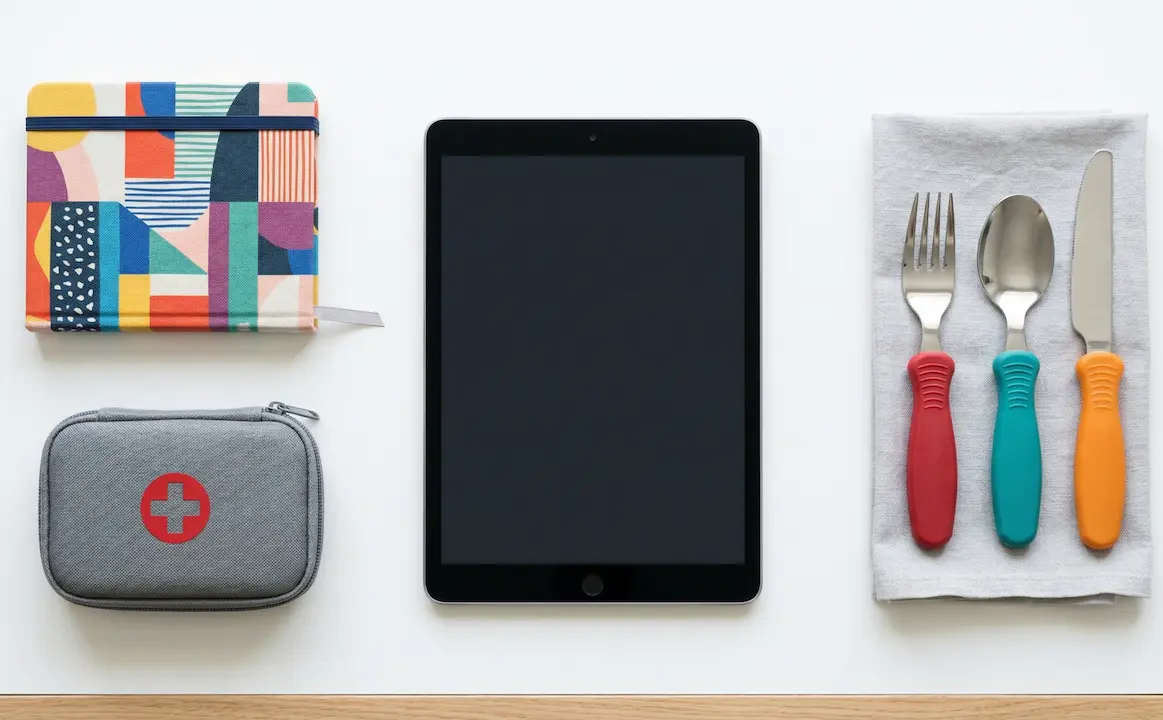
Consumables are everyday items you use up because of your disability. This includes things like incontinence pads, specialized eating tools, or low-cost items under $1,500 that help you be more independent.
Does the NDIS pay for a car?
No, the NDIS will not buy you a car. They believe a car is a standard cost of living. But they can pay for "Vehicle Modifications." This includes things like hand controls or a wheelchair lift so you can use the car safely.
Can I buy a smart watch with NDIS funds?
Usually, no. Like laptops, smart watches are considered everyday items. You would need very strong evidence from a therapist showing that you need a specific watch feature (like a seizure alert) that a normal watch does not have.
How do I know if my support is "Stated"?
A "Stated Support" is something listed in your plan that you must spend exactly as written. You cannot move this money to other categories. This often happens with big items like high-cost wheelchairs or 24-hour care.